By programme
BFF Programme Participation KPIs · Snapshot April 2026

Bloomsbury Football Foundation
An interactive view of who we support, how we measure change, and what young people are telling us.
The health and care system is often too focused on late intervention and crisis management. Bloomsbury Football Foundation’s approach of helping young people to get active and connect in-person with peers through trauma-informed programmes is an exemplar of the long-term, prevention-first, approach needed to support the nation’s mental health at scale.

The numbers behind the programmes; how many young people we reach, who comes through our doors, the deprivation profile of our schools, and how well we retain young people month to month.
BFF Programme Participation KPIs · Snapshot April 2026
BFF Programme Participation KPIs · Snapshot April 2026
DfE Pupil Premium allocations and conditions of grant 2024–25 · 33 state-funded BFF partner schools
BFF operational data · March 2026
How Bloomsbury Football Foundation changes outcomes — our working model of impact.
Our Theory of Change sets out how Bloomsbury Football creates change. From inputs and programmes, through the mechanisms that drive outcomes and long-term impact.
Our vision: a world where every young person has a safe place to play, a community to belong to and the tools to progress in life.
For us, a Theory of Change is a living document — a dynamic, evolving framework that our team regularly revisits and updates based on new data, context changes, and lessons learned during implementation. This working draft was developed through internal workshops led by our Director of Programmes and will be tested through a forthcoming evaluation with industry experts from New Philanthropy Capital (NPC).
Two ways we measure change: following young people over time, and comparing them with their peers.
Having started in Spring 2024, we have been through four waves of our longitudinal survey, co-created with the University of Westminster and adapted from Sport England's Active Lives Survey and the CASEL framework. We hear from parents, young people aged 13–18, and young people under 13 — aiming to learn about their progress since joining Bloomsbury.
The pattern we keep seeing: the longer a young person stays with Bloomsbury, the better their reported outcomes — across physical health, life skills, and cross-background friendships.
These are early findings from the first four waves of a six-wave design. We can't claim our intervention alone caused these shifts, but the consistency of the trend across outcomes gives us a credible signal worth taking seriously. The full report walks through the data, the methodology, the analyses, and the limitations.
During the 24/25 Season we piloted the Stirling Children’s Wellbeing Scale, a validated questionnaire for 8 to 15-year-olds, with 188 pupils at our largest primary school partner. We compared children who take part in our lunchtime football sessions with pupils at the same school who spend lunchtime doing something else.
Children in our sessions reported higher wellbeing, 2.74 points higher on average, a moderate difference (d = 0.36). Most of that gap came from a more positive outlook on life (d = 0.39), and it was clearest on “I feel that I am good at some things” (d = 0.86).
This was a single-school snapshot, so it shows an association rather than cause. It has shaped a larger study across multiple schools, with matched comparison schools and a baseline, which we aim to co-design with NPC. The pilot report sets out the method, results and limitations.
What young people tell us about Bloomsbury — in their own words, on film, and through the youth board shaping our programmes.
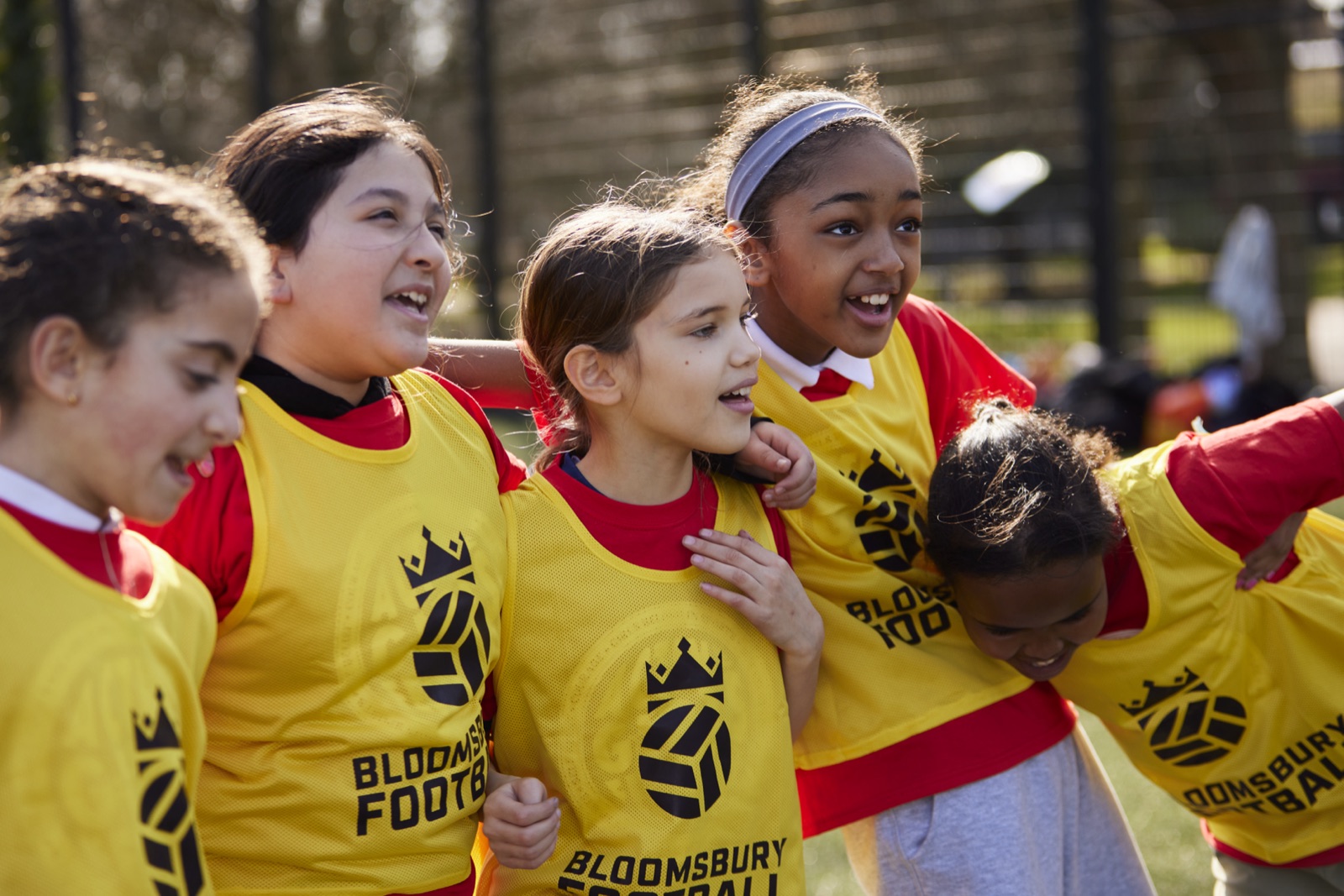
Before I joined Bloomsbury, I had literally one hobby — my phone. A friend told me to come, so I checked it out and it was immense! I’ve asked my mum to sign me up for weekly sessions.
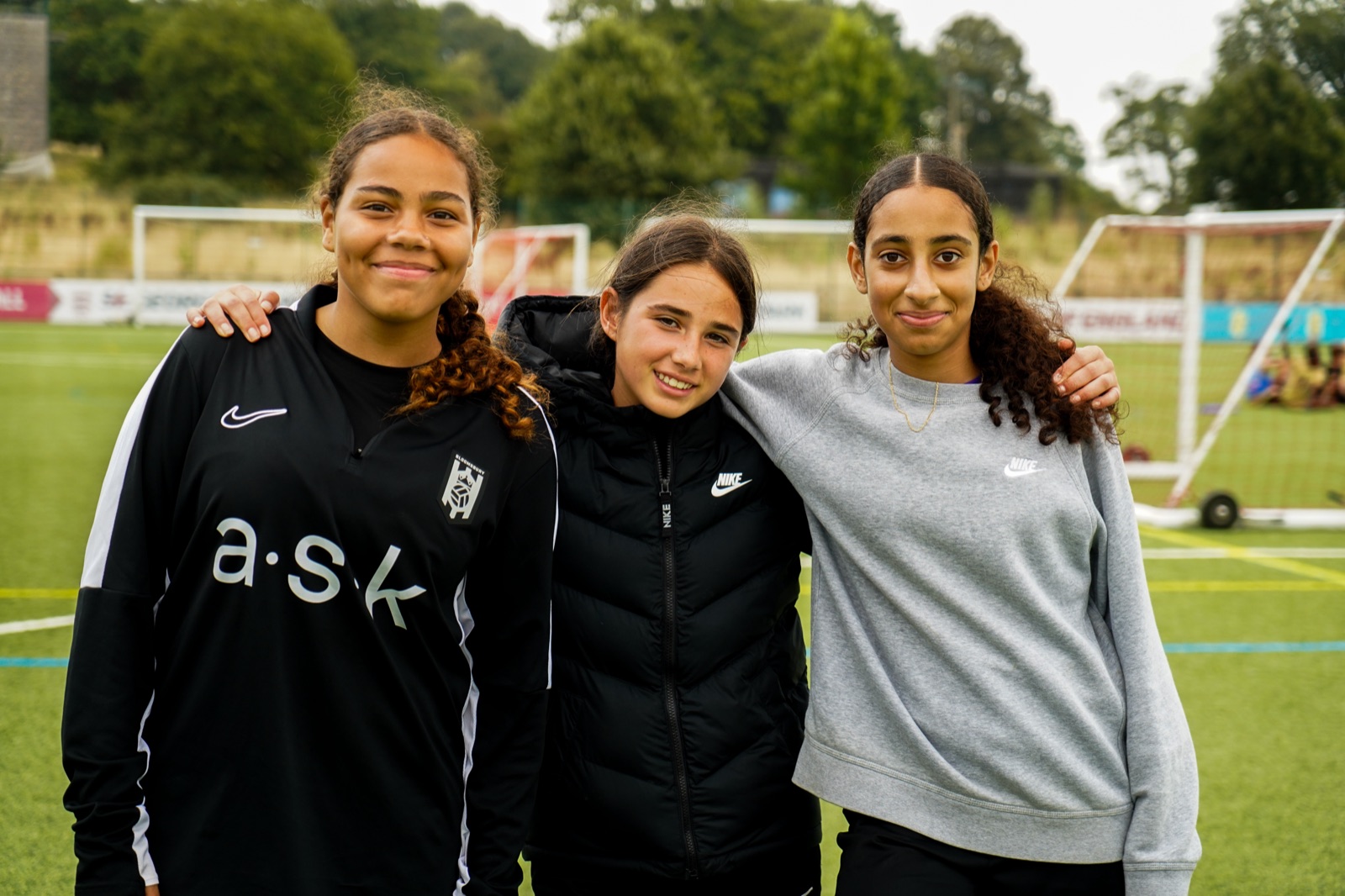
My experience in Bloomsbury is just amazing – I have met new people and made new friends, but Bloomsbury it’s just about kicking balls and having fun. We also learn new things from our coaches that are helping us in every area and we improve ourselves to be more confident with the ball and with ourselves.
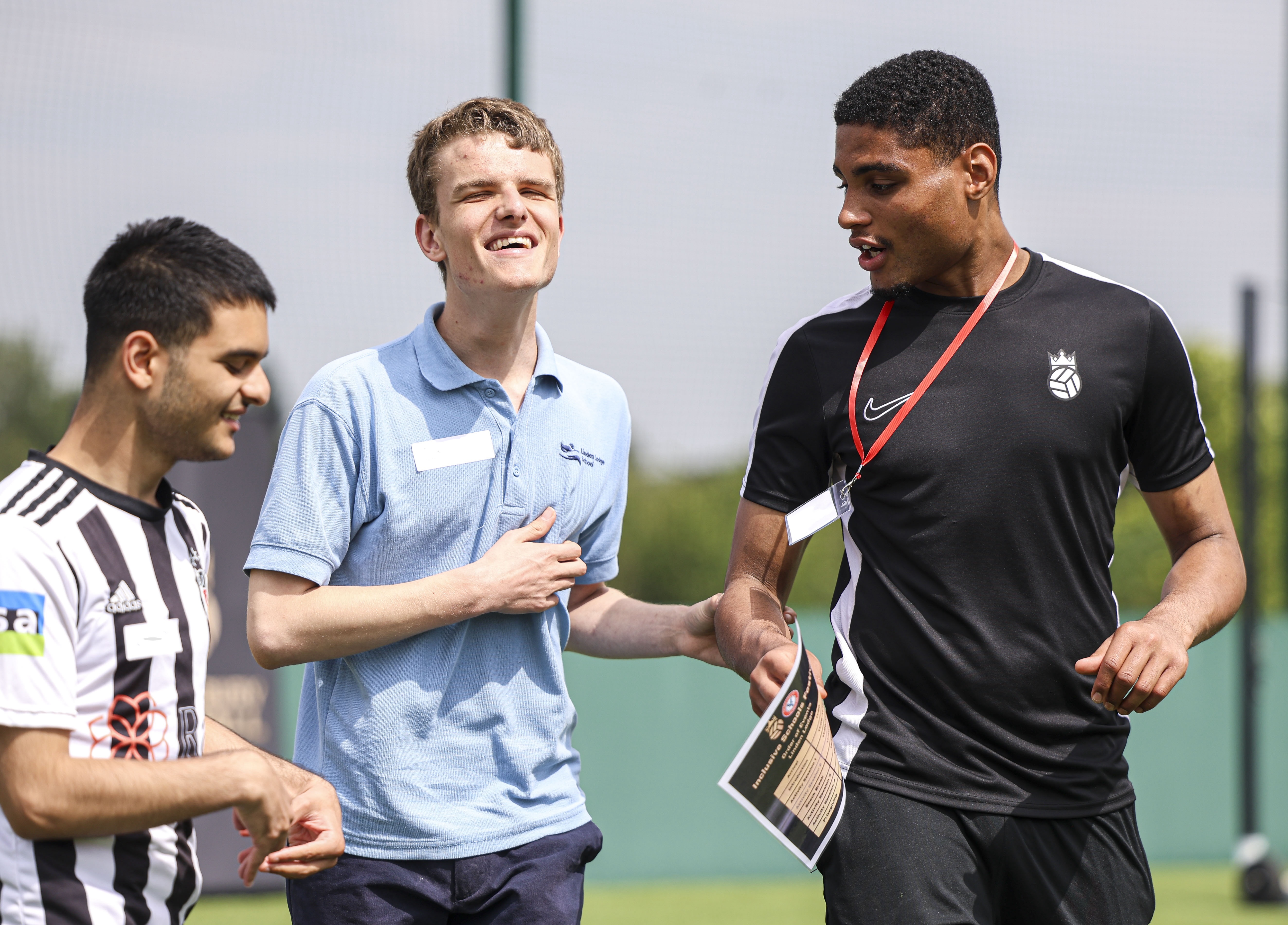
Bloomsbury has built up my confidence. Now if a boy says to me “you can’t play”, I say, “yes I can”!
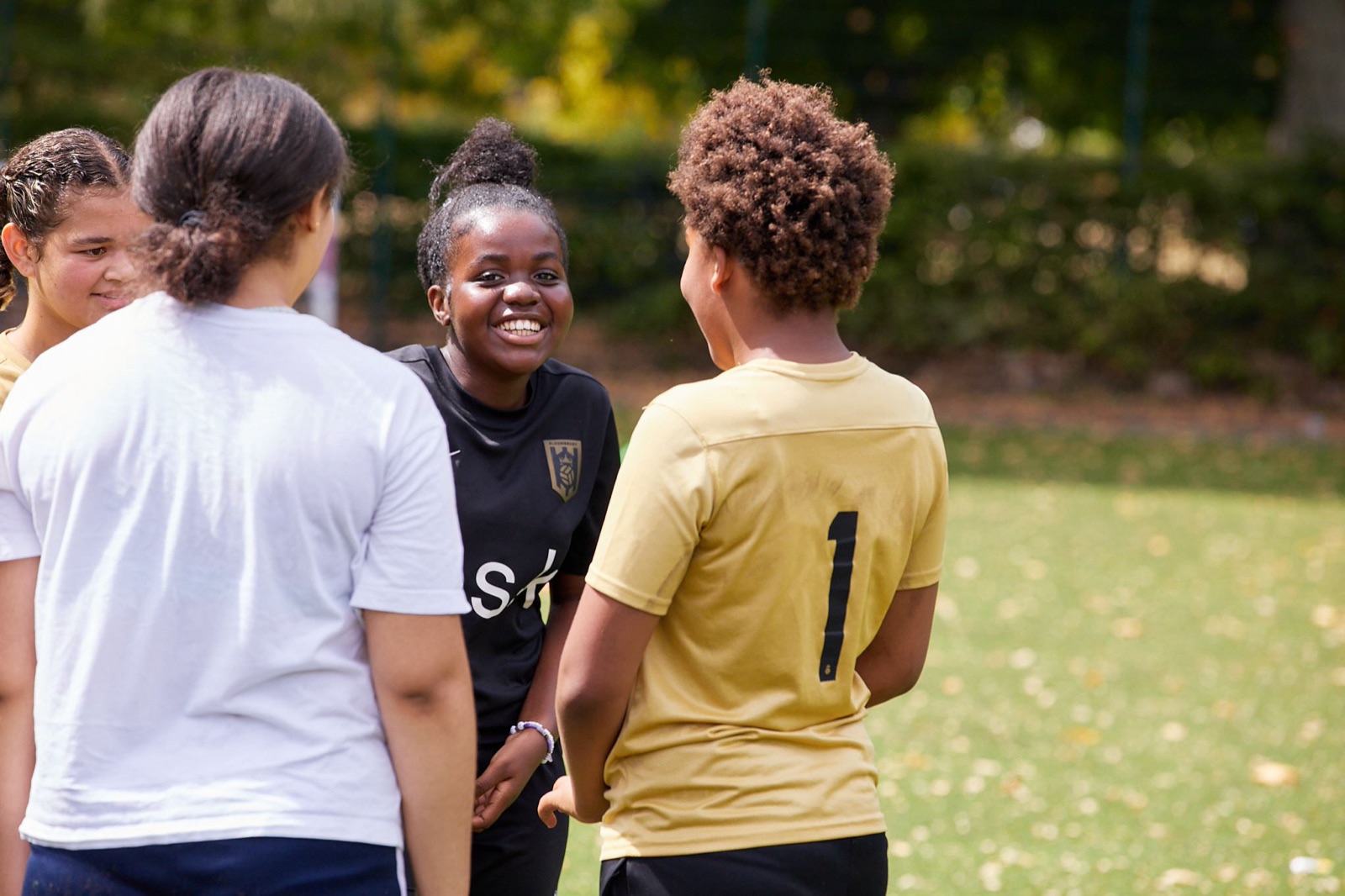
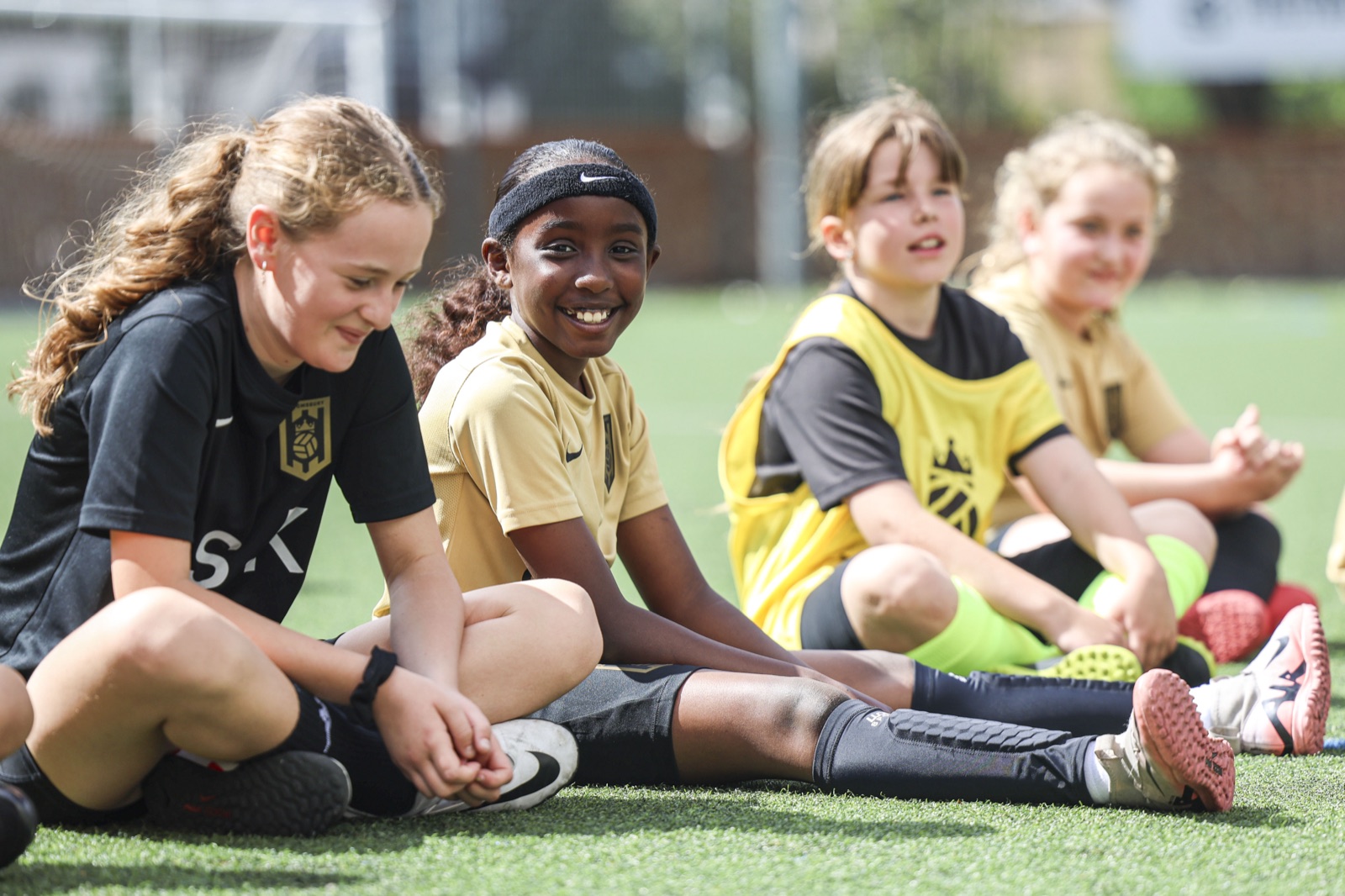
[Attending sessions] has taught me how to control my anger, how to rely on people, and how to have fun. Bloomsbury means the world to me.
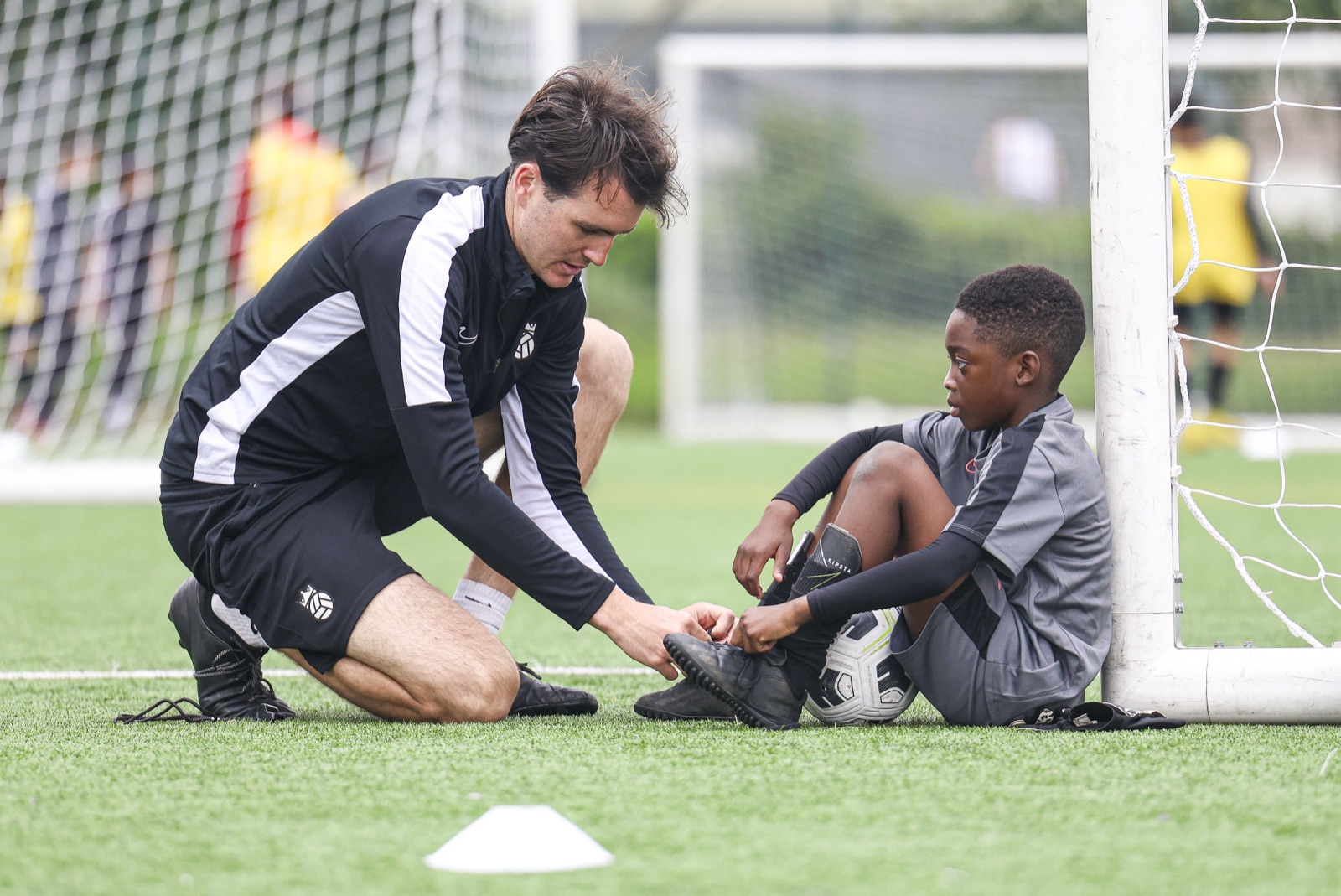
When I came to London, I had no friends and nowhere to spend my time. After my first Bloomsbury session, I found more friends and I now spend my free time on something that is special to me.
A young person’s story
Alexia joined Bloomsbury four years ago. Being part of the Bloomsbury community has enabled her to make lasting friendships, build confidence, resilience and leadership, and pass on those skills to others through her coaching. Like thousands of young Londoners, our financial support model has enabled Alexia to access the magic of football. We’re proud to share Alexia’s story.
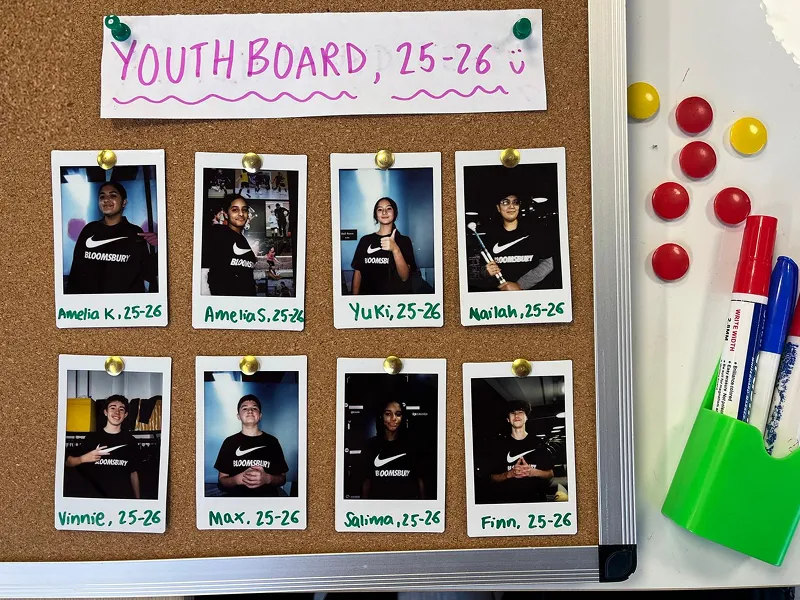
Youth Board
Our Youth Board has representatives from every single one of our programmes. They regularly meet in person at our Camden office to strengthen the ties between our young people and discuss how we can improve our offering. Hearing directly from those on the pitch is essential — it lets us centre our strategic delivery and growth plans around the communities that benefit from the provision. The Youth Board’s Statement of Purpose, written and ratified by its members, sets out what they stand for and how they hold our work to account.
Sector experts, ambassadors and partners on Bloomsbury’s approach.

There can be no more important task for those concerned with the health of the population than to reduce unjust and avoidable health inequalities. I wholeheartedly welcome Bloomsbury Football Foundation’s approach of making the health benefits of sport accessible to all.
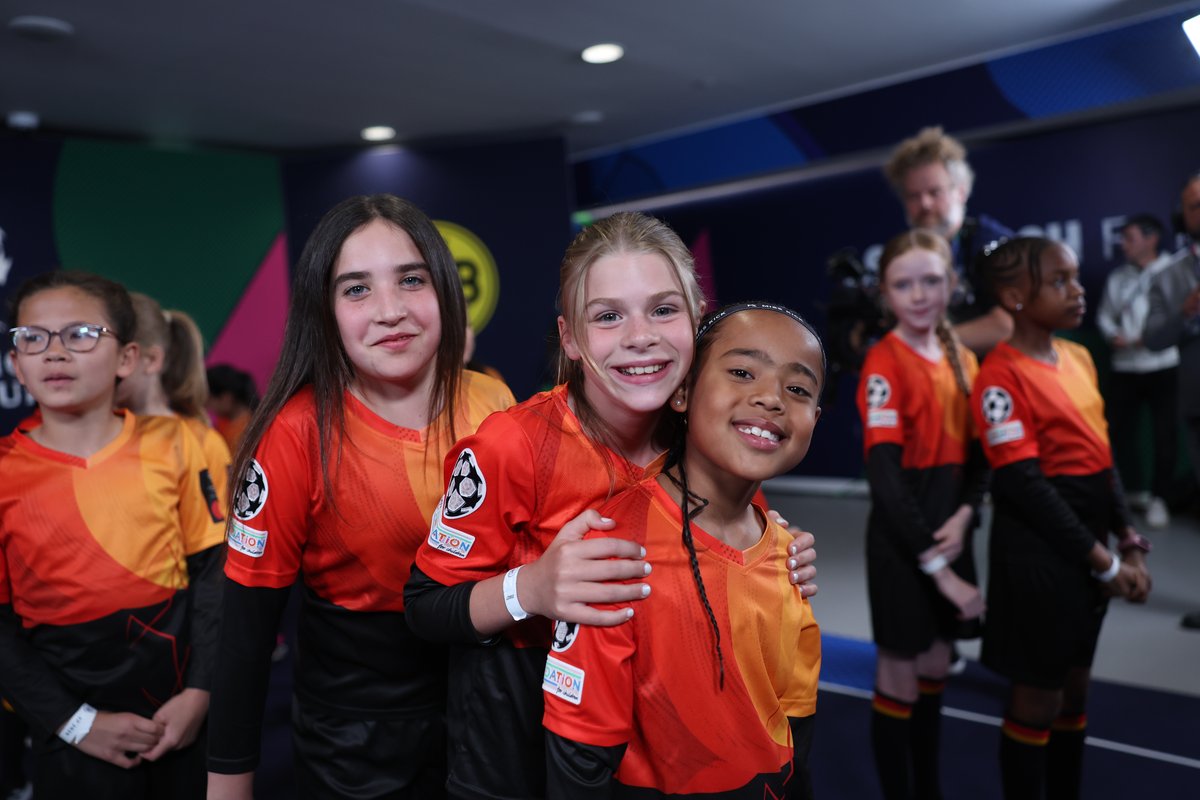
The barriers preventing girls from accessing the health and social benefits of physical activity are deeply entrenched and widespread. Bloomsbury Football is a leading light in tackling these barriers, and its goal of enabling thousands more girls to get active — to experience the joy, fulfilment, and lifelong benefits of sport — is truly inspiring.
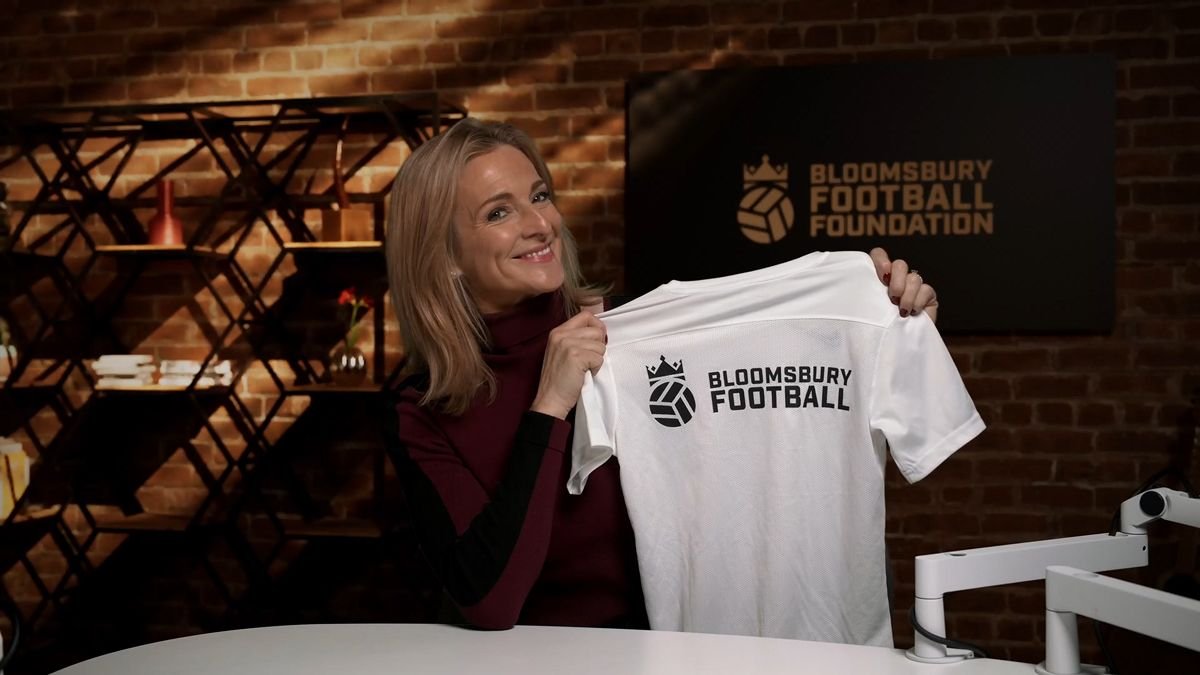
Football really is magical and it has such amazing potential to transform young people’s lives, but only when it’s done properly — and that’s what Bloomsbury are doing. Maximising the benefits for the kids in their programmes and giving them the tools they need to tackle the challenges of life.
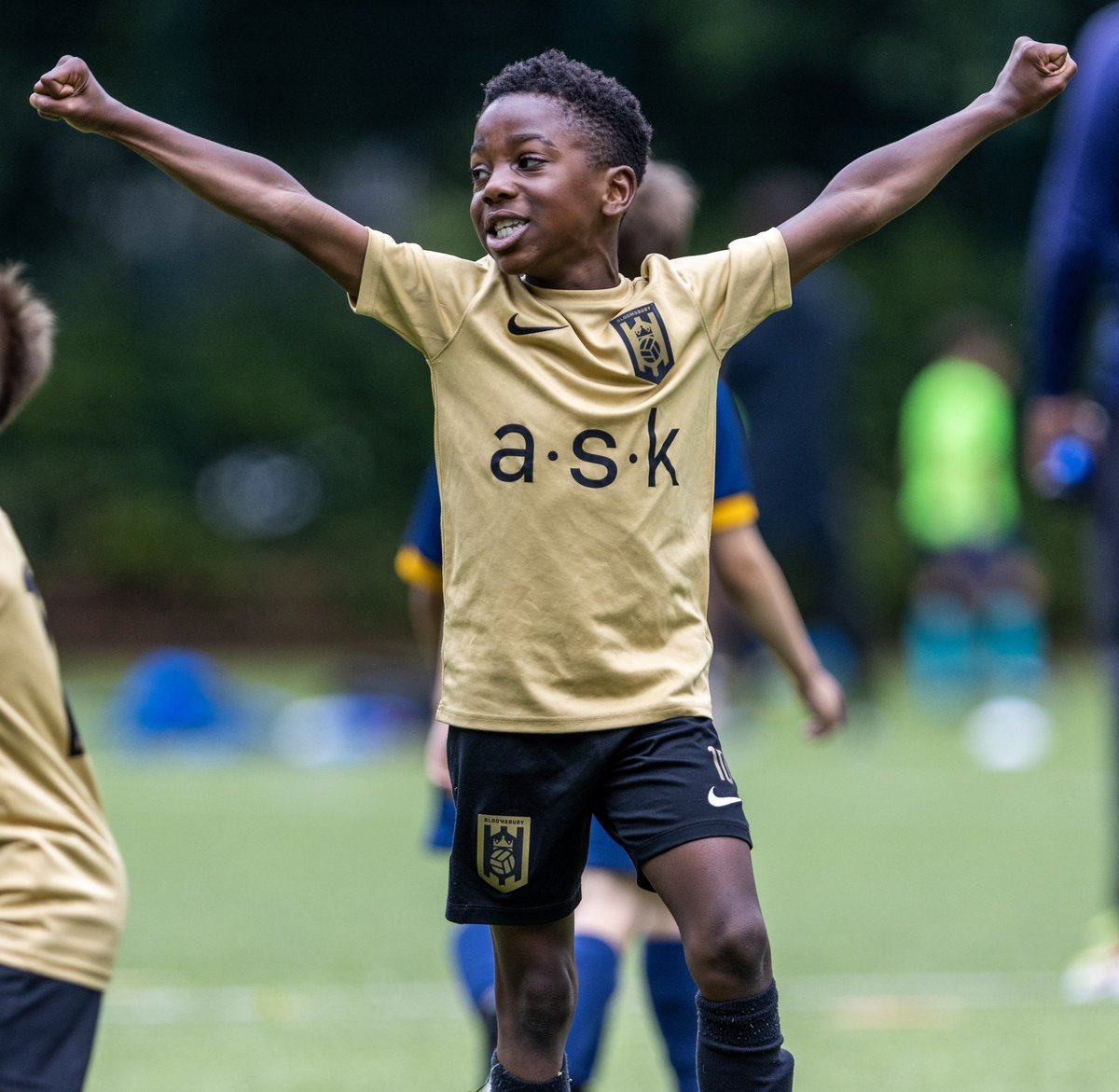
Many children in London are leading sedentary lives, which risks negative physical and mental health outcomes. This applies disproportionately to the 700,000 children living in poverty in the capital. Bloomsbury Football Foundation is at the forefront of levelling the playing field for these children.
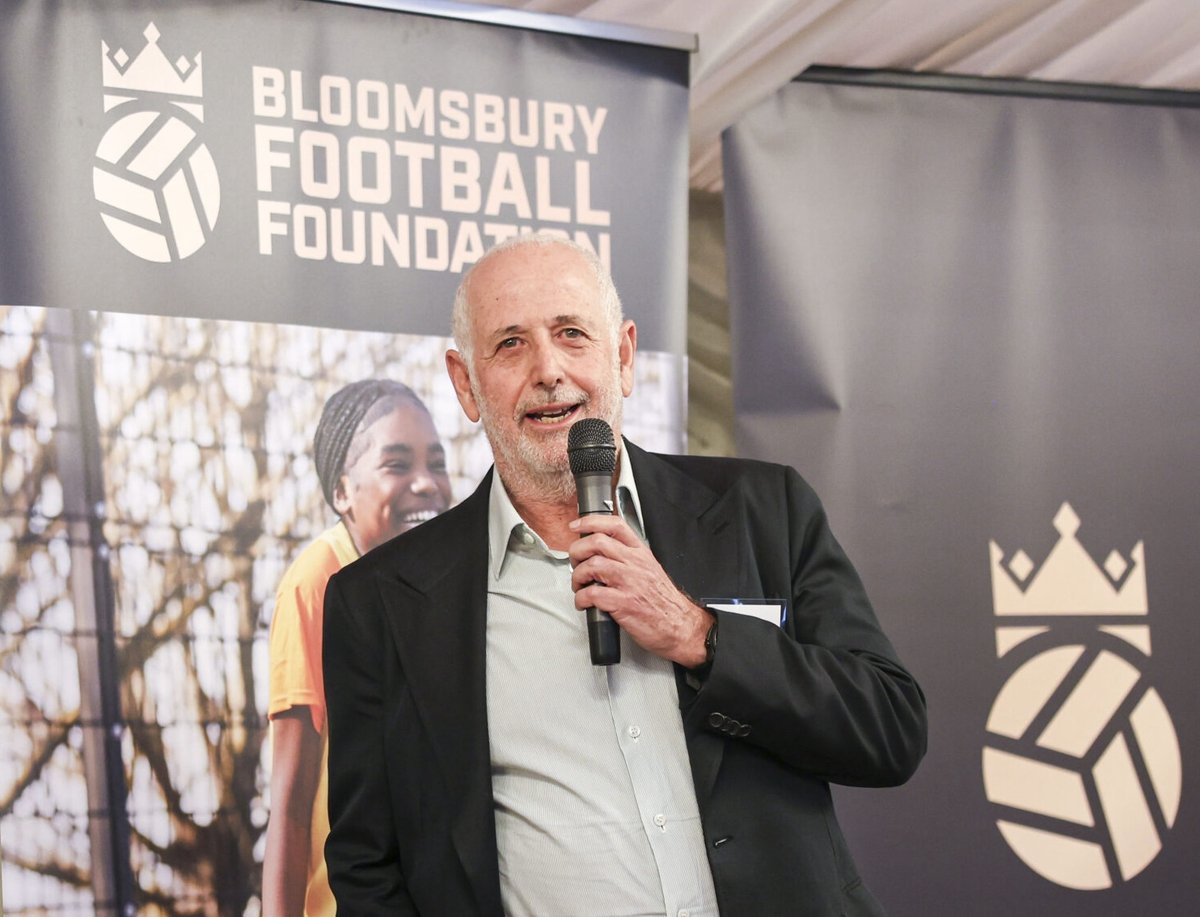
I’ve chosen to back Bloomsbury Football Foundation because it’s delivering real, measurable outcomes where they matter most — building resilience in underserved communities and giving young people the tools to thrive. It’s a serious, business-minded organisation: data-driven, growth-ready, and built to scale with discipline and ambition.
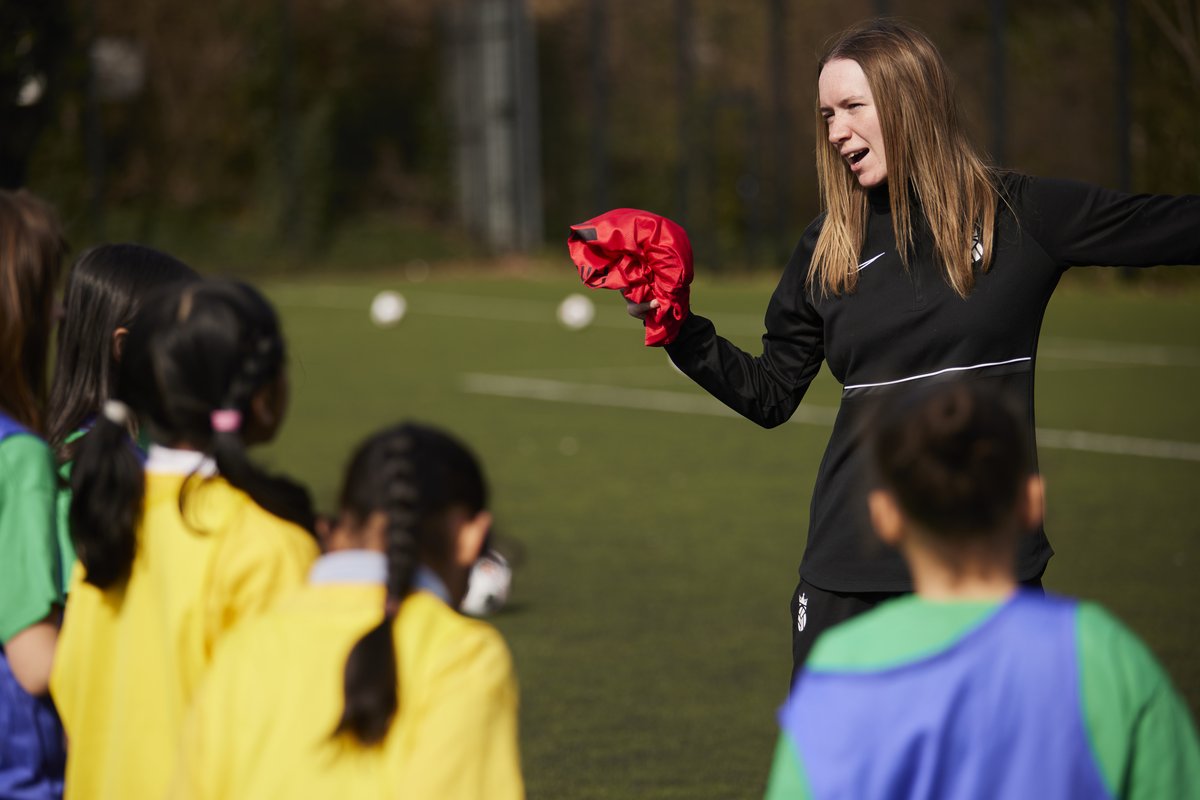
Bloomsbury Football Foundation’s approach to supporting young refugees and asylum seekers is hugely refreshing and a clear example of best practice across the sector.
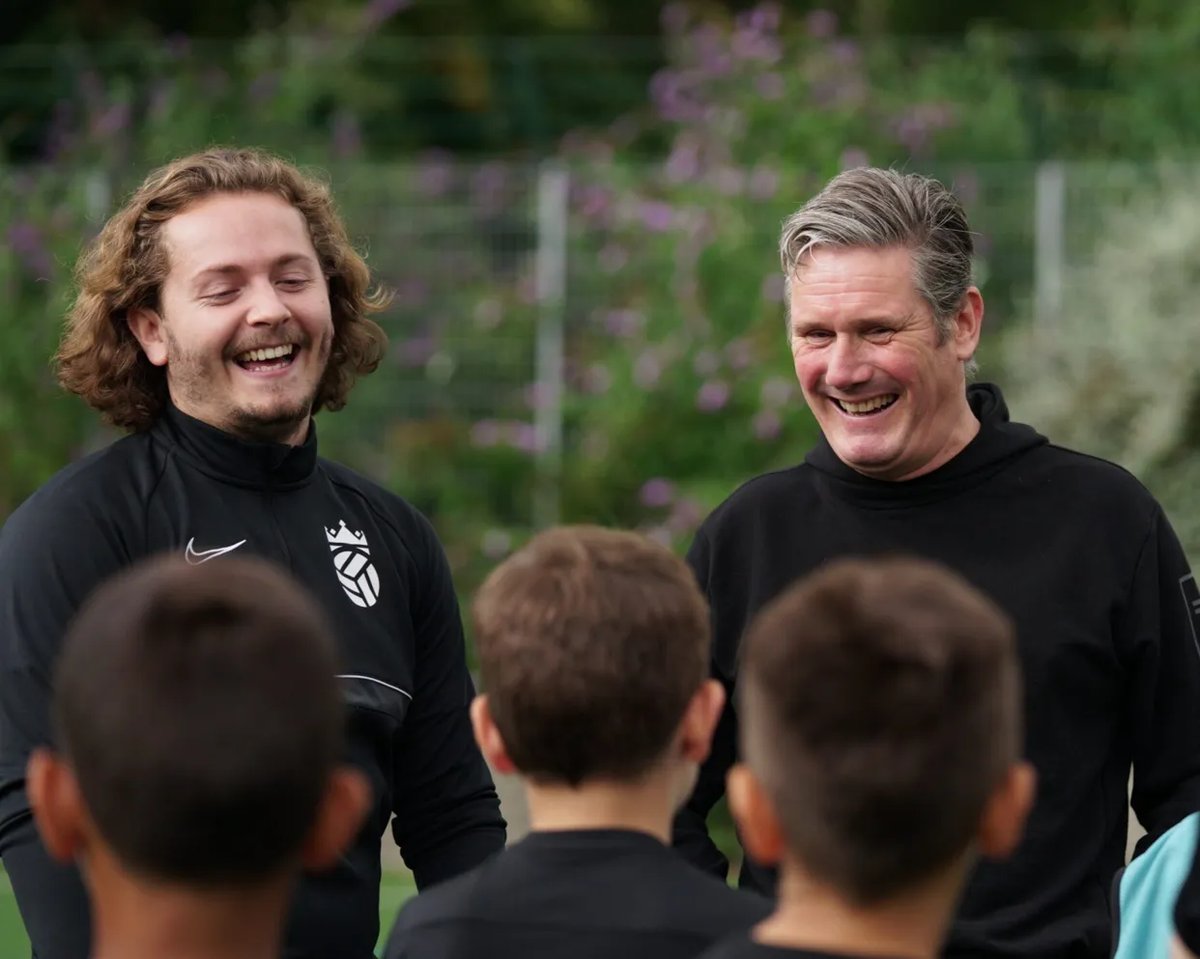
I have really enjoyed visiting Bloomsbury Football Foundation’s sessions. Their programmes develop participants’ physical health, mental wellbeing and soft skills. Sessions are tailored specifically for London’s most vulnerable young people and are making a real difference to their lives.
From our Head of Impact & Strategy
This portal aims to provide an overview of how we are measuring change. We understand the importance of sharing what we know, where the evidence is still building, and where young people are telling us we’re getting it right.
We believe in the magic of football, and we are on a mission to measure it. As a data-driven team, we recognise we are at an early stage of this journey, and we will continue to strive in our quest to add more rigorous evidence to the wider sector. That being said, we are very proud of what we have accomplished as an organisation to date. The numbers and stories on this portal exist because of the trust placed in us by participants, parents, partner schools, coaches, funders and our team. Thank you for taking the time to read it.
If you have any questions or would like to learn more, please feel free to contact me directly.
Francisco Ortiz Yuli f.ortizyuli@bloomsburyfootball.com Head of Impact & Strategy, Bloomsbury Football Foundation